
June 8, 2026
RELIANCE results presented at the Workshop on Electrochemistry of Electrochemically-active Materials-2026
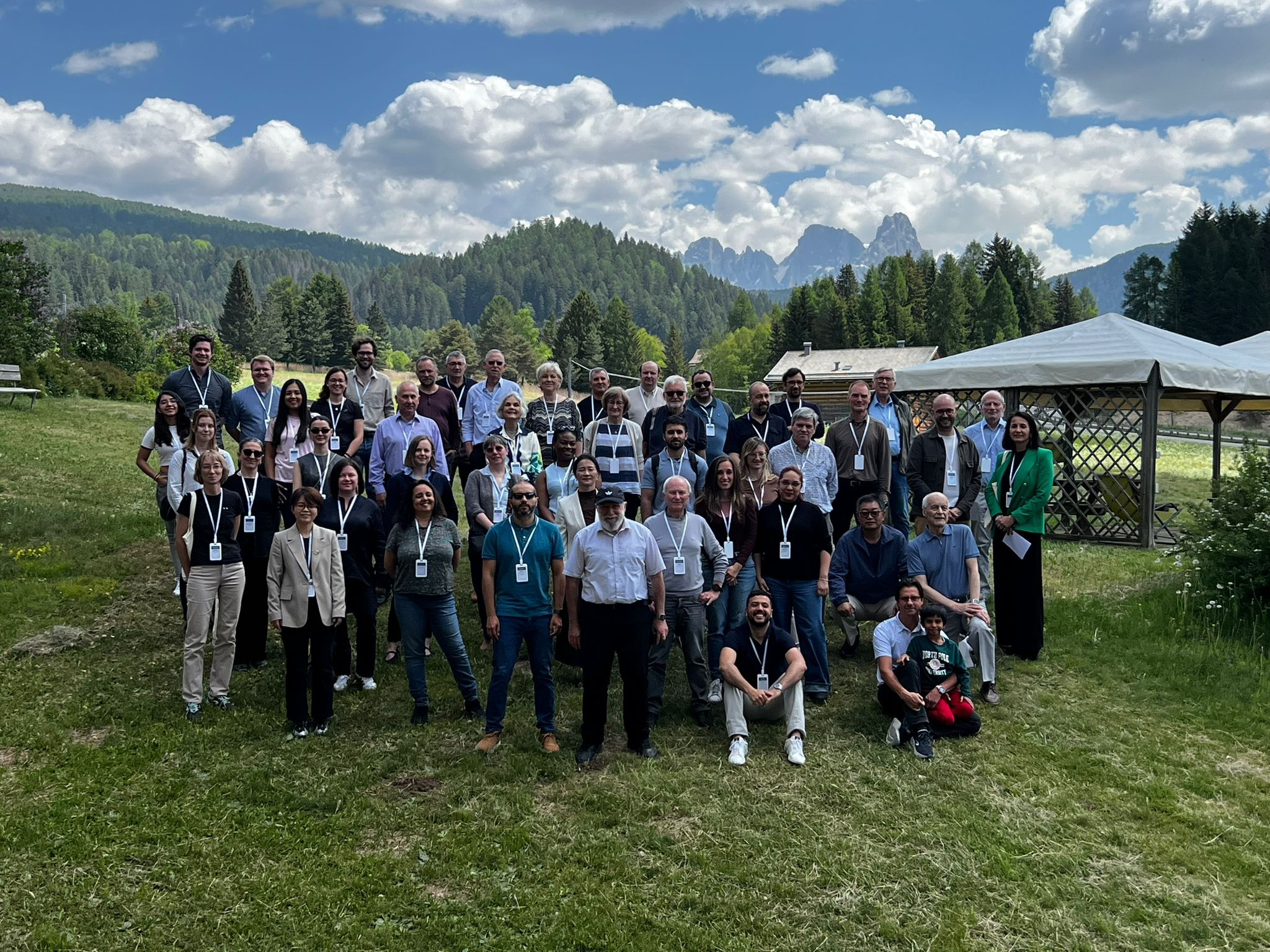
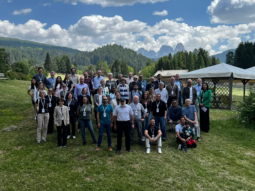
The Workshop on Electrochemistry of Electrochemically-active Materials-2026 (WEEM 2026) took place in Bellamonte, Italy from 24 to 29 May 2026. The WEEM series represent a set of international scientific conferences of a special type designed for the in-depth analysis of state-of-the-art and intensive discussions on key issues related to the research and applications of various electrochemically active systems.
In its earlier period, the scope was centered at electrochemistry of electroactive materials which can be repeatedly charged and discharged electronically, such as electron-conducting and redox polymers, mixed-valence transition-metal inorganic solids, solid ion conductors revealing sufficient electronic conductivity.
With the series evolvement over time, their scope has been extended to include other electrochemically-active materials, i.e. to the systems where electrochemical phenomena are determined by specific properties of the electrode material. As a result, the actual scope of WEEMs nowadays includes (besides electroactive materials) recent developments of both fundamental aspects and applications of various traditionally important areas as electrochemical transformations of the electrode material, or electrode's modification for its catalytic applications, etc.
A deep understanding of complex mechanisms of these electrochemical phenomena requires bringing together researchers actively working in these fields in the form of WEEM workshops, in order to provide them with an opportunity to combine their presentation of original results with extensive exchange of opinions with the audience in the course of intensive informal discussions.
The WEEM meetings already organized in Russia (Moscow, 1995), France (Dourdan, 1997), Poland (Poraj, 2000), Germany (Bad Herrenalb, 2003), Russia (Repino, 2006), Poland (Szczyrk, 2009), Hungary (Szeged-Hódmezővásárhely, 2012), Germany (Bad Herrenalb, 2015) and Bulgaria (Borovets, 2019), fulfilled the above expectations. Significant recent progress in this research area called for the organization of the workshop in Bellamonte, Italy, especially in view of an extensive break due to the COVID-2019 pandemic and later international problems.
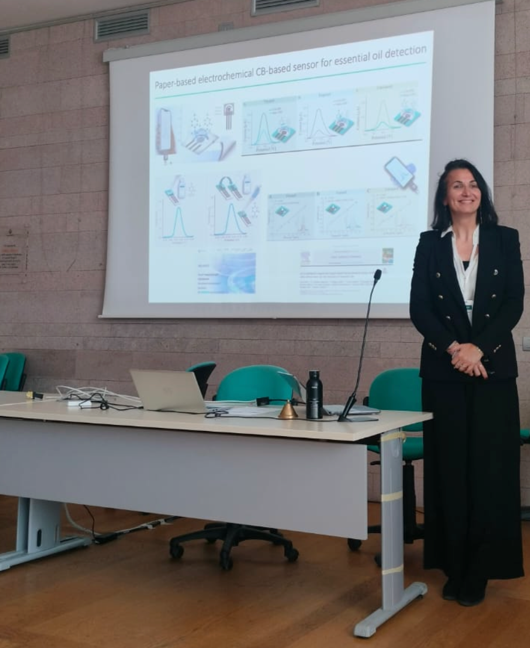
RELIANCE partner Fabiana Arduini from the Tor Vergata University of Rome presented the advantages of using carbon black to develop electrochemical sensitive sensor, while also highlighting its first time demonstration within RELIANCE project in using paper-based electrochemical device modified with carbon black for essential oil detection in antimicrobial coatings.

Follow us:


Views and opinions expressed are however those of the author(s) only and do not necessarily reflect those of the European Union or the European Health and Digital Executive Agency (HADEA). Neither the European Union nor the granting authority can be held responsible for them.
© All Rights Reserved 2025 | Reliance-HE
Designed and Developed by Europroject