
May 12, 2026
RELIANCE Joins Forces with fellow EU Projects in Prague to Discuss the Future of Antimicrobial Nanocoatings
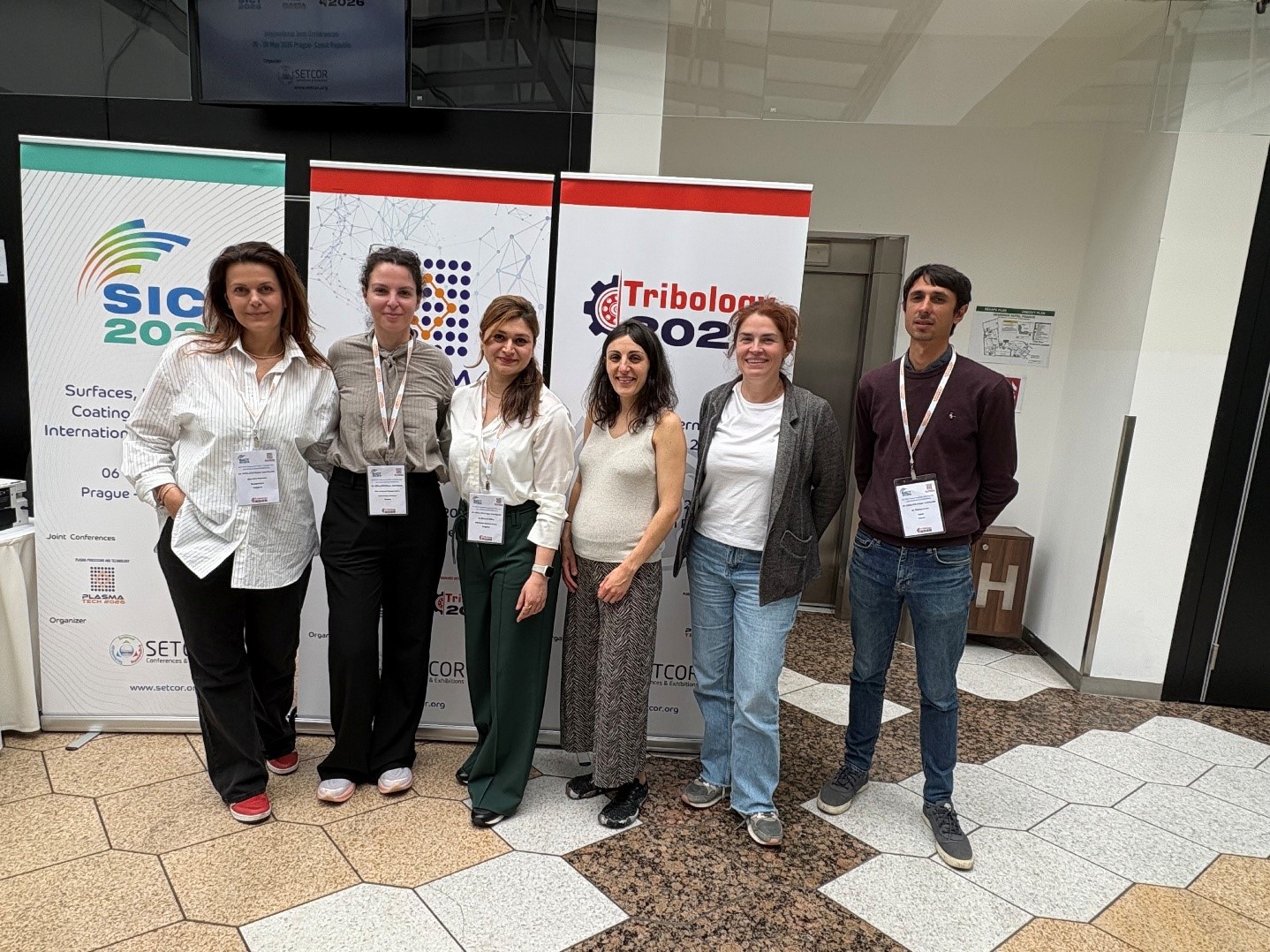
Against the backdrop of springtime Prague- a city where centuries-old architecture meets cutting-edge innovation - five Horizon Europe projects came together during the Surfaces, Interfaces and Coatings Technologies International Conference 2026 (SICT2026) to tackle a pressing question for Europe’s advanced materials sector: how can promising antimicrobial nanocoating technologies successfully move from scientific breakthroughs to real-world applications.
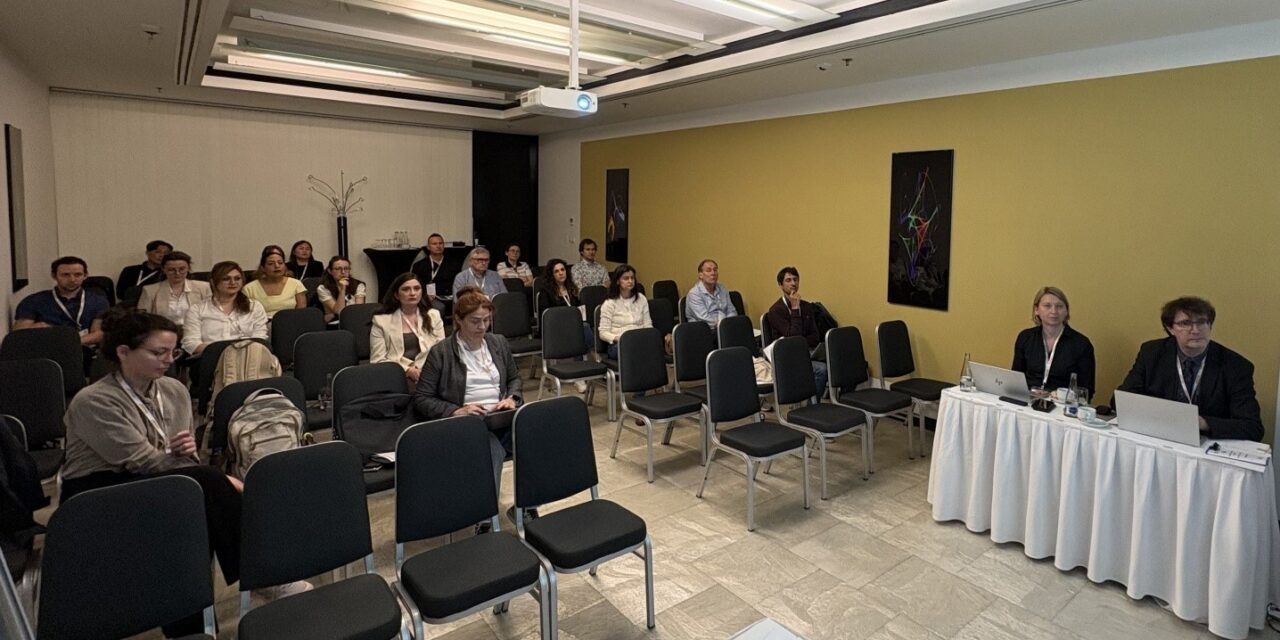
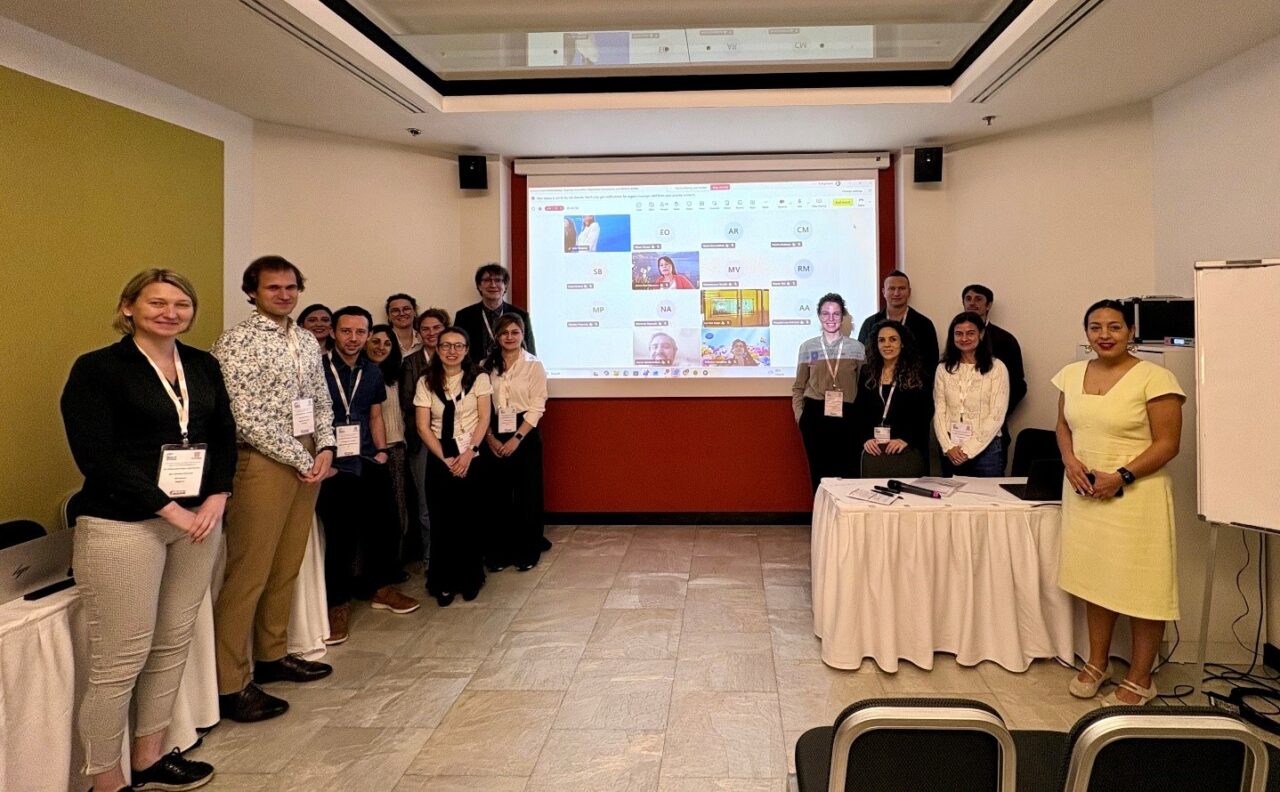
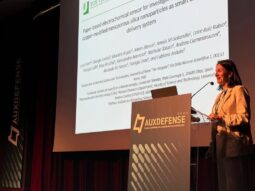
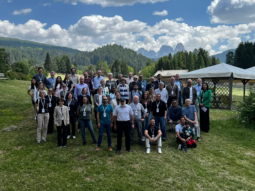
Hosted at the Grandior Hotel Prague on 7 May 2026, the hybrid workshop “Antimicrobial Nanocoatings: Aligning Innovation, Regulatory Compliance and Market Uptake” brought together 45 participants from across Europe, including 26 attendees in person and 19 joining online.
The event united the EU-funded projects RELIANCE, NOVA, NANOBLOC, SUPREME and MIRIA in a shared effort to discuss not only scientific advances, but also the practical realities of scaling up, validating and deploying antimicrobial materials in industry and society.
Scientific Progress Is No Longer the Main Barrier
Over the past few years, our research projects have achieved major progress in antimicrobial nanocoatings with the design and development of smart-response nanoparticles, bio-based antimicrobial compounds, sustainable coating formulations and advanced methods for studying how microorganisms interact with surfaces.
These technologies play an important role in creating safer public environments, and more sustainable products and materials for sectors ranging from healthcare and textiles to transport and consumer goods.
Yet, despite strong scientific headway, many good solutions remain stuck between laboratory validation and industrial deployment - a challenge that became the foal point of the Prague workshop.
Participants reiterated that the question is no longer whether the innovative materials work. In many cases, they already do. The bigger challenge now is alignment - between science, regulation, industrial feasibility and market expectations.
From Isolated Research to Collaborative Problem-Solving
The workshop was designed as a collaborative discussion across the full innovation chain - connecting material design, testing, validation, safety assessment, regulation, scale-up and standardisation.
Researchers, industry representatives and experts openly discussed the existing impediments to the antimicrobial nanocoatings deployment across Europe. Topics included:
- Predictive and digital material design
- Safe and Sustainable by Design (SSbD)
- Durability and safety under real-use conditions
- Harmonised testing methodologies
- Industrial scalability
- Standardisation needs
- Regulatory complexity and market readiness
One of the key discussions focused on the practical implementation of Safe and Sustainable by Design principles. Participants noted that while SSbD is becoming central to European innovation policy, operationalizing it remains difficult due to fragmented testing approaches and the lack of harmonized methodologies across regulatory frameworks.
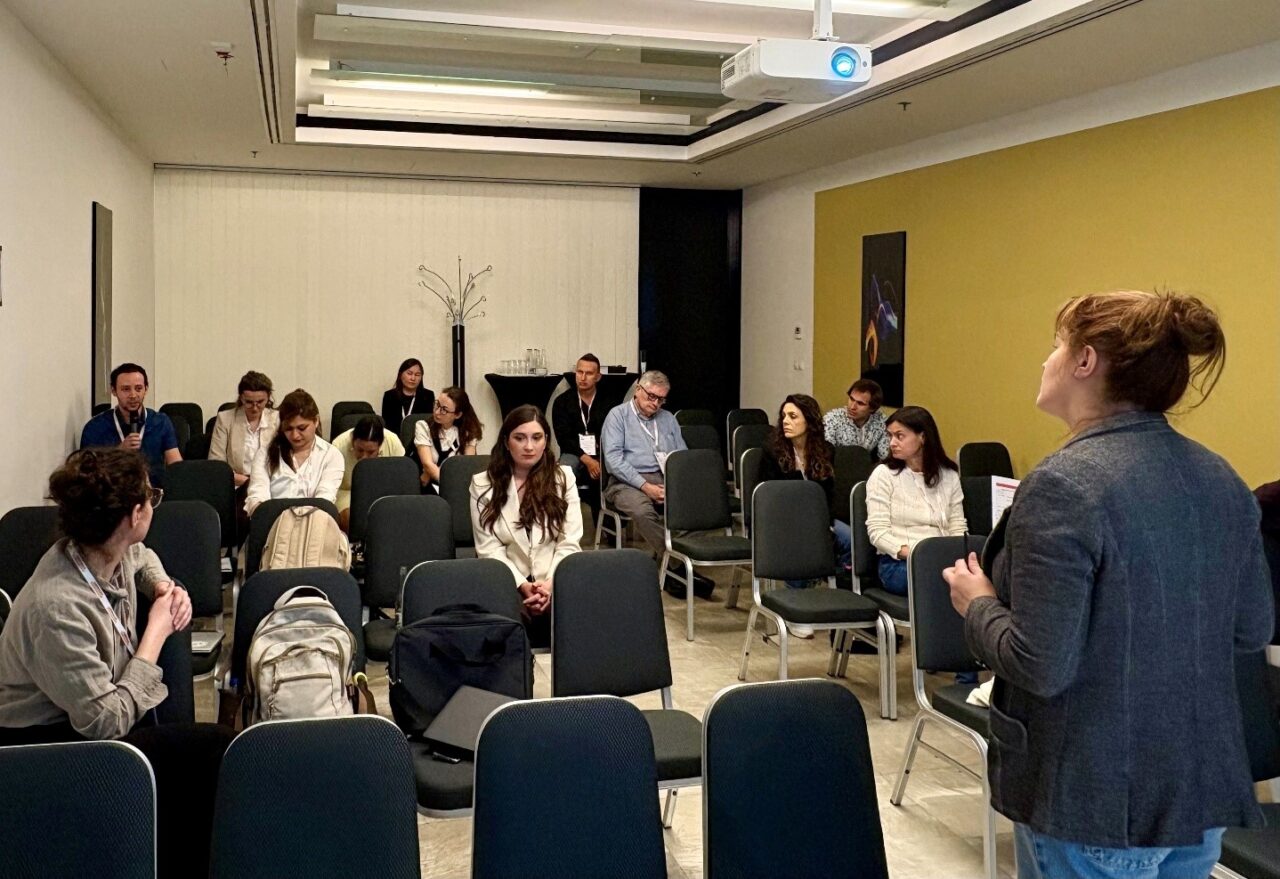
Experts highlighted the importance of validated testing methods recognized by regulators, such as OECD-aligned protocols, to minimize uncertainty and delayed market acceptance. Discussions also underlined the need for screening approaches that allow rapid early-stage evaluation, followed by more targeted methodologies for final validation under realistic conditions.
Another major theme we touched upon was the growing role of artificial intelligence and digital modelling in materials research. Participants acknowledged that AI tools are becoming essential for extracting and analyzing large volumes of scientific data that would otherwise be impossible to process manually. However, current predictive modelling tools still struggle to reliably match experimental results.
It was noted that modelling is too often treated as a “buzzword” rather than as a genuine tool for steering experimentation and accelerating development. Greater investment in digital twins and predictive modelling infrastructure was identified as a critical future priority.
Addressing the Gaps That Still Hold Europe Back
The discussions also revealed important shortcomings in existing testing and standardization frameworks.
While robust testing methods already exist separately for bacteria, fungi and viruses, participants agreed that there is currently no universal solution applicable across all use cases and sectors. Significant gaps also remain in biofilm testing standards, despite the fact that many real-world pathogens exist primarily in biofilm structures rather than as isolated microorganisms.
Participants further stressed the need for stronger communication between research and policymaking. Many experts expressed concern that regulatory frameworks and directives are often not keeping pace with the latest scientific and technological developments.
Therefore, it is important that the projects look beyond scientific results achievement and look at producing policy-oriented recommendations and briefs to inform future European regulation and funding priorities.
Towards a Joint Position Paper
One of the most important outcomes of the workshop was the shared ambition to develop a joint Position Paper on safe and sustainable antimicrobial nanocoatings.
Envisioned as a concise opinion and recommendation document created collectively by the participating projects, the paper aims to identify common scientific, regulatory and industrial challenges while proposing concrete recommendations for future research, policy, funding and standardization efforts in Europe.
The initiative reflects a broader recognition that the antimicrobial nanocoatings community must increasingly speak with a coordinated voice if it wants to influence future European frameworks and accelerate real-world uptake.
From Innovation to Impact
A strong message emerging from the workshop was that Europe already possesses a remarkable level of scientific expertise and technological capability in antimicrobial nanocoatings. However, transforming that knowledge into societal and economic impact will require much closer coordination across disciplines and sectors.
As noted during the discussions by Dr. Jan Van Impe, Full Professor and Division Head at KU Leuven/BioTeC+:
“Europe now possesses a critical mass of scientific knowledge and technological capability in antimicrobial nanocoatings - but achieving societal and economic impact will require coordinated action across disciplines and sectors.”
The workshop also demonstrated the growing importance of collaboration among EU-funded initiatives. By sharing experiences, comparing challenges and jointly discussing future priorities, the participating projects showed how synergies can strengthen both the visibility and long-term relevance of European research outcomes.
For RELIANCE, the Prague workshop also represented our final dissemination event - an important milestone in our mission to support healthier environments through sustainable, bio-based and high-performance antimicrobial nanocoatings.

Follow us:


Views and opinions expressed are however those of the author(s) only and do not necessarily reflect those of the European Union or the European Health and Digital Executive Agency (HADEA). Neither the European Union nor the granting authority can be held responsible for them.
© All Rights Reserved 2025 | Reliance-HE
Designed and Developed by Europroject