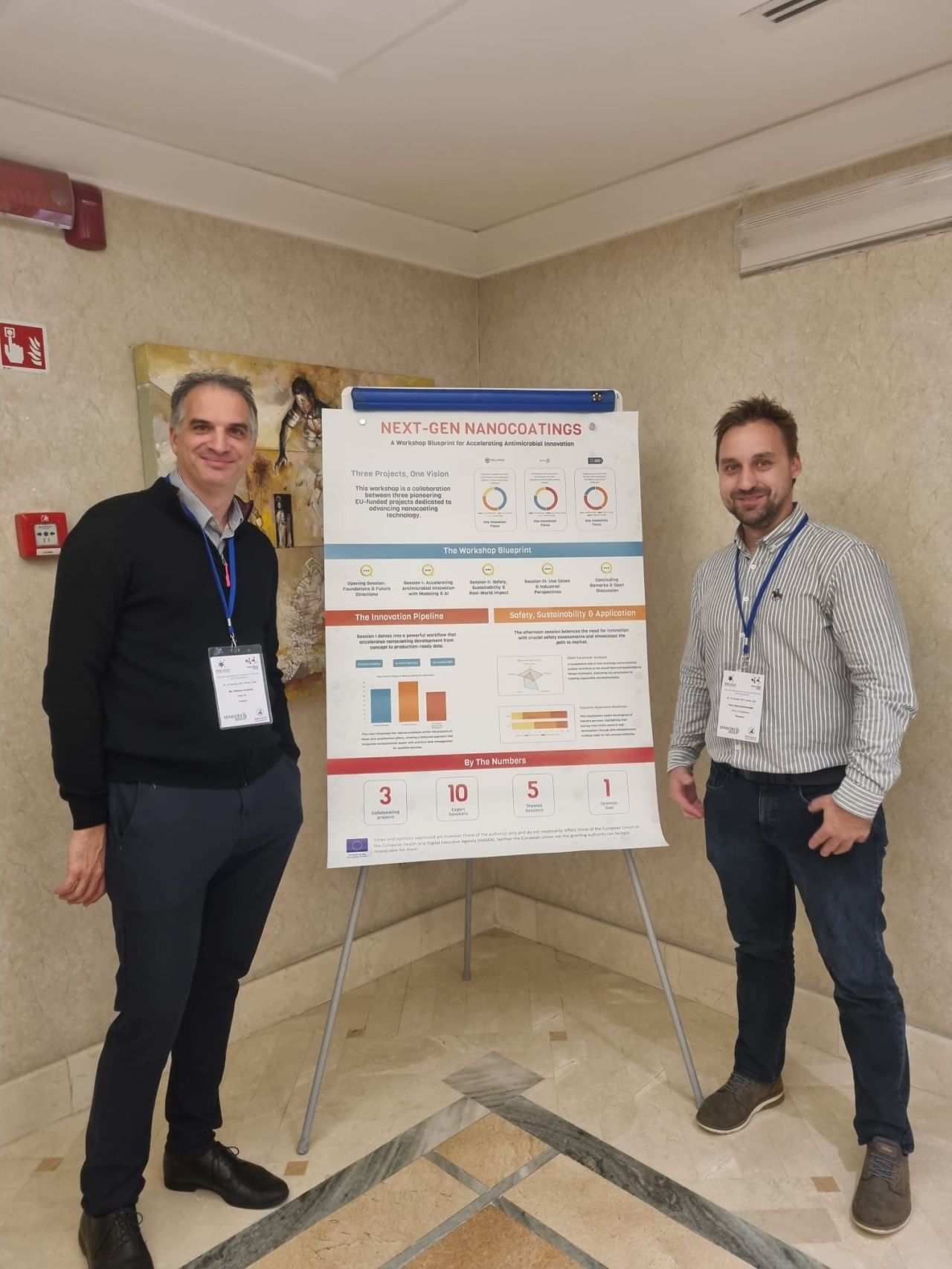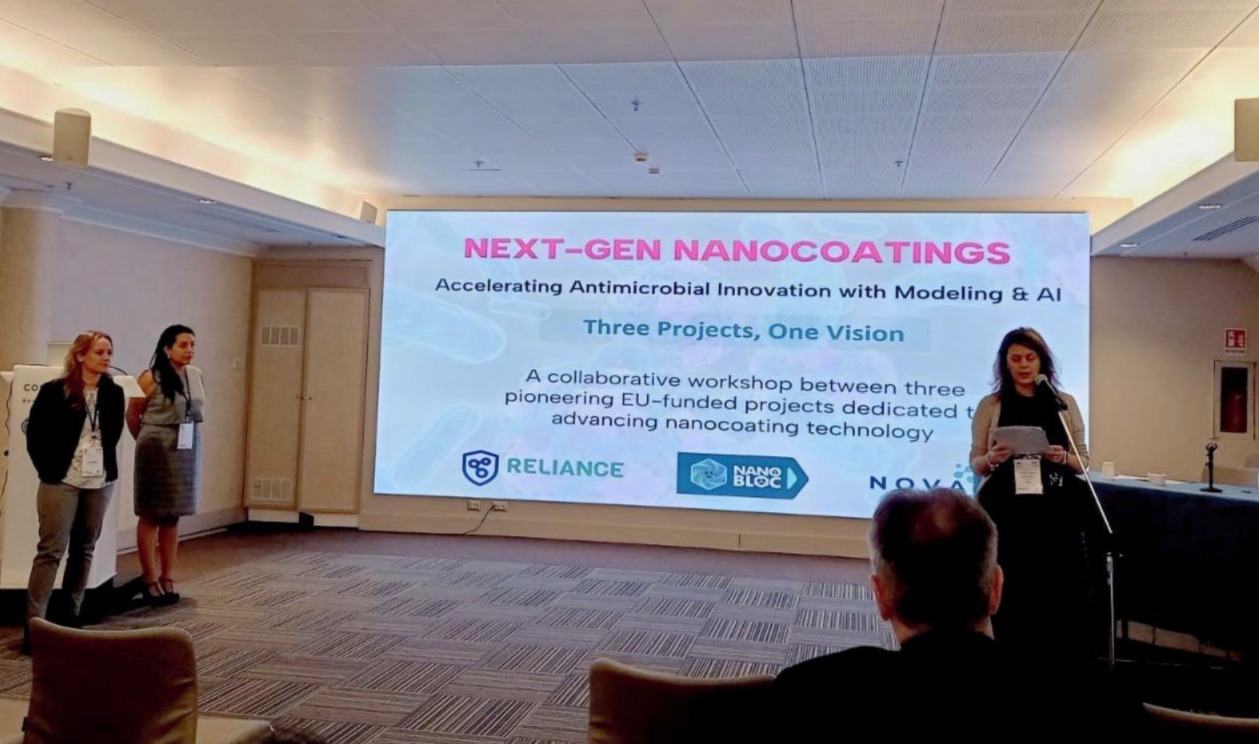
This November, the Adriatic coast became the backdrop for a gathering of scientists and innovators working at the frontiers of chemical, biological, radiological and nuclear defense. The International Workshop on Advanced Technologies and Mobile Laboratories for Countering Chemical Threats, held in Split, Croatia from 3 to 5 November 2025, brought together leading experts to exchange knowledge on how emerging technologies can better detect, identify and mitigate chemical threats in real-world settings.
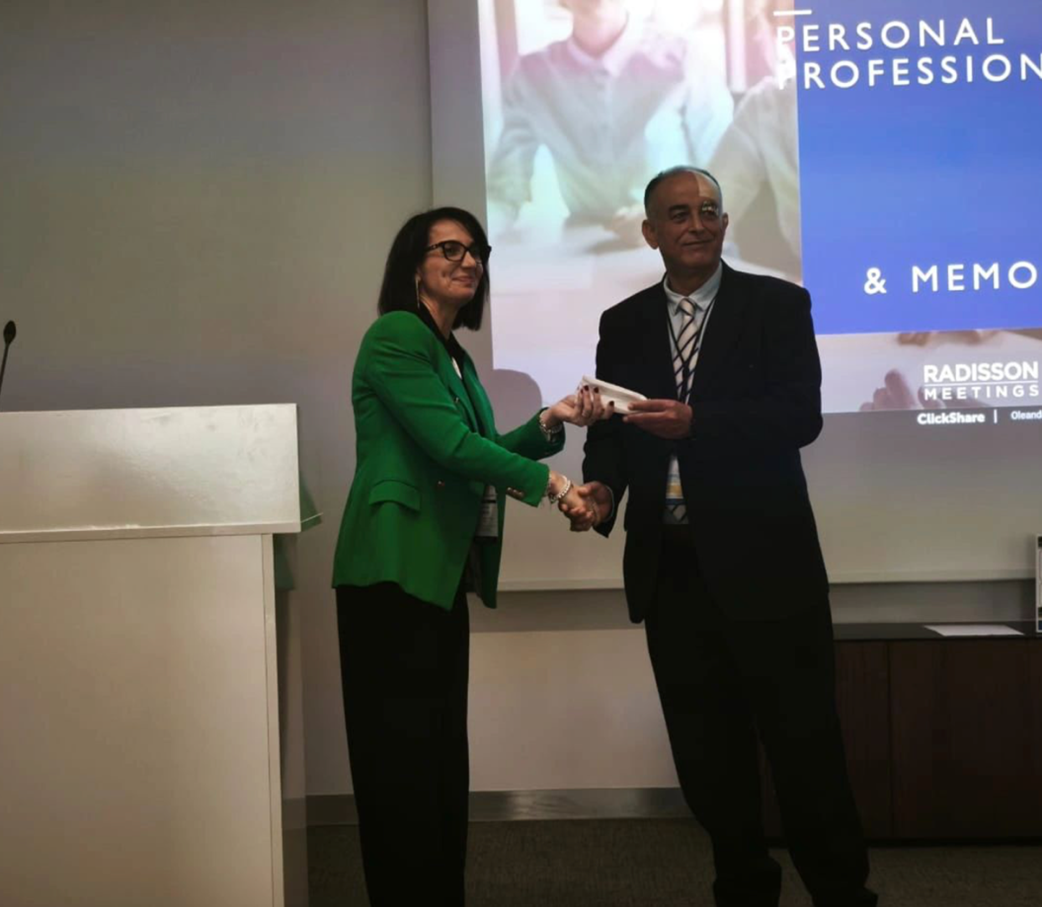
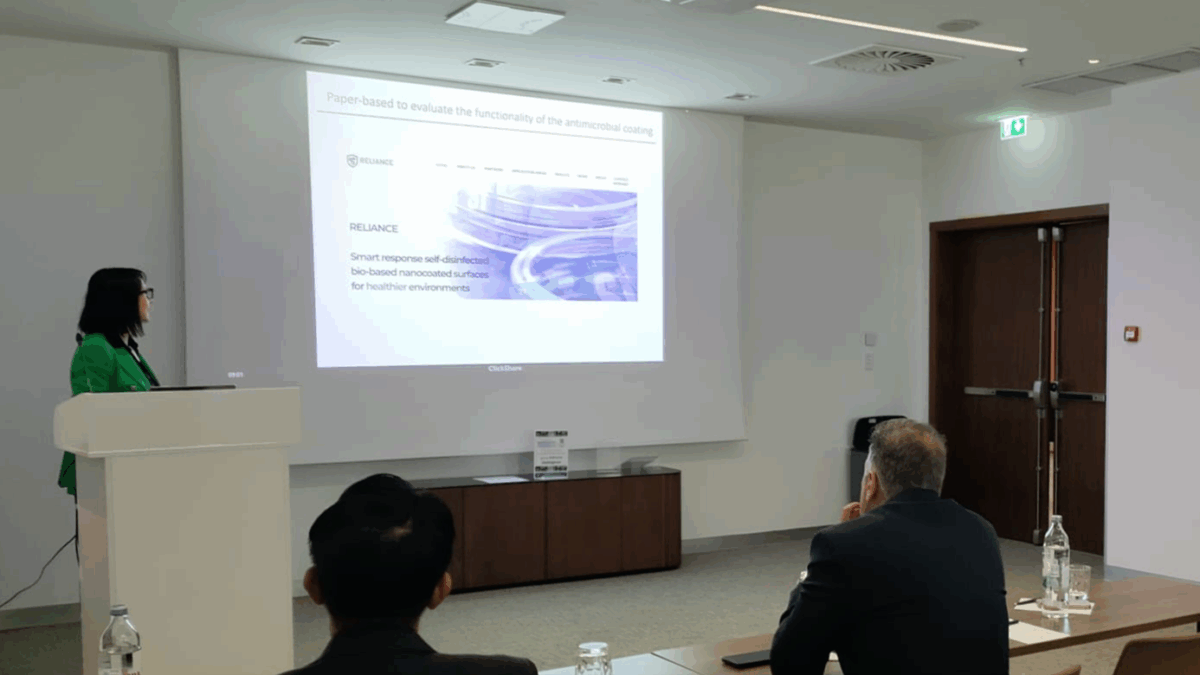
Among the distinguished speakers was Prof. Fabiana Arduini, a key RELIANCE partner and professor at the University of Rome “Tor Vergata”, who was invited as a Plenary Speaker. Her lecture, titled “Paper-based electrochemical (bio)sensors as smart, sustainable, and robust advanced detection and identification systems”, captured both the scientific innovation and the pressing need for practical, eco-friendly sensing solutions.
Paper-Based Sensors: A Fusion of Simplicity and Sophistication
In her talk, Prof. Arduini’s highlighted the potential of paper-based electrochemical (bio)sensors as smart, sustainable and robust analytical tools for the detection and identification of chemical and biological warfare agents, viruses and essential oils.
Drawing on insights from her influential review article “Electrochemical paper-based devices: When the simple replacement of the support to print ecodesigned electrodes radically improves the features of the electrochemical devices” (Current Opinion in Electrochemistry, SI: Emerging Opinions, 2022) [Arduini, F. Curr. Opin. Electrochem. 2022, 101090], Prof. Arduini highlighted how paper’s unique properties like porosity, flexibility, and biodegradability transform the design of the paper-based electrochemical (bio)sensors, which have emerged as highly attractive analytical devices due to their sustainable features. Unlike conventional polyester-based electrodes, paper-based devices can be safely incinerated after use, significantly minimizing waste and contamination risks.
Moreover, these devices have demonstrated remarkable versatility, including their simple integration with vertical microfluidics and their ability to act as multifunctional reservoirs that can:
i) contain reagents,
ii) preconcentrate target analytes, and
iii) synthesize nanomaterials within the paper network.
Prof. Arduini also demonstrated how these devices can overcome the limitations of conventional printed sensors by enabling direct detection of chemical and biological agents, viruses, and volatile compounds in aerosol or solid samples, without requiring additional sampling systems. This feature is especially crucial in time-sensitive or resource-limited environments, where fast and reliable identification can save lives.
From Laboratory Innovation to Defense Applications
In the final part of her plenary lecture, Prof. Arduini showcased recent achievements of her research group in developing paper-based electrochemical (bio)sensors for defense applications, such as:
- Origami paper-based biosensors for SARS-CoV-2 detection on surfaces, designed to provide rapid, on-site monitoring of viral contamination.
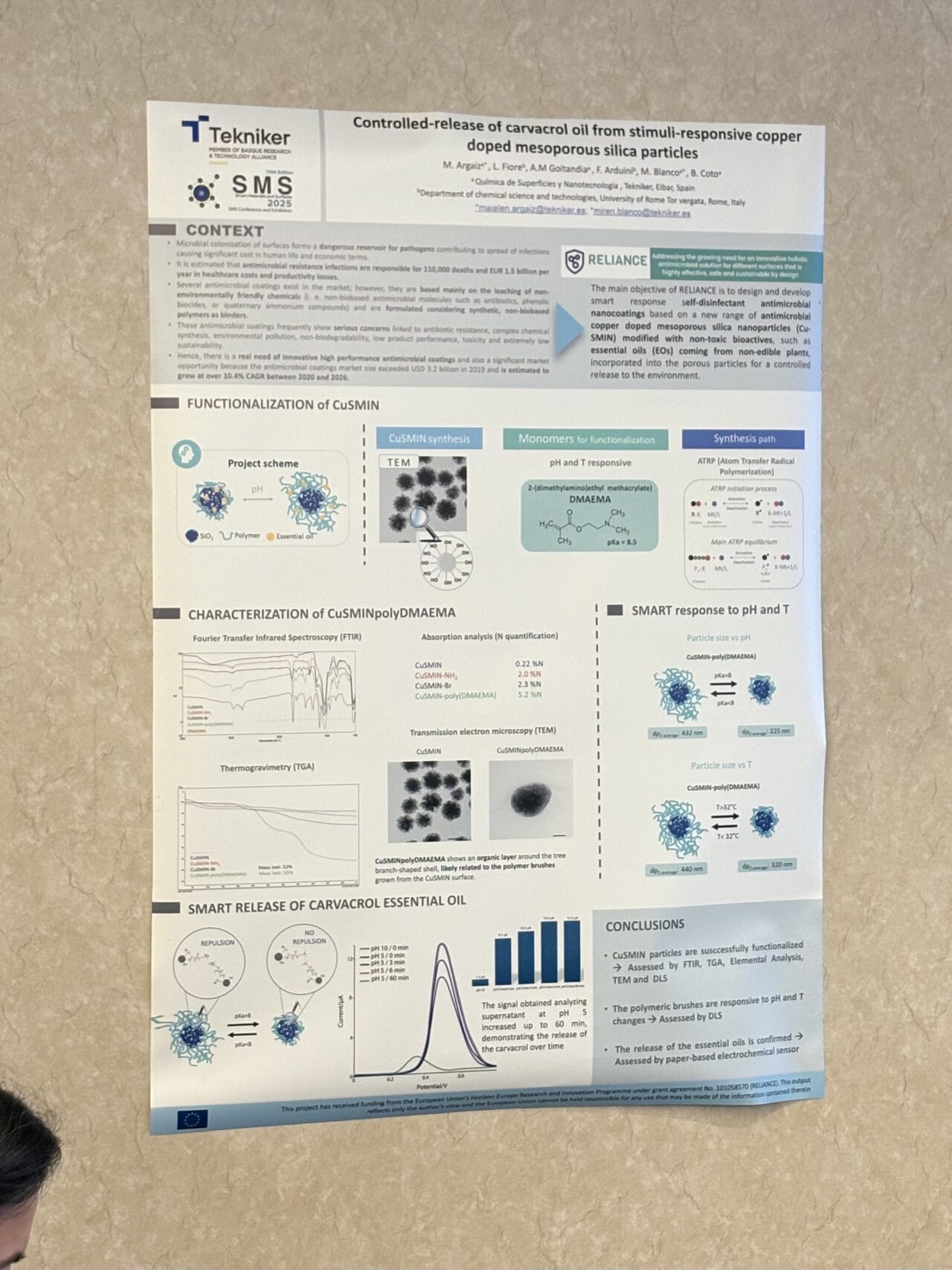
- Paper-based electrochemical sensors for essential oil detection, developed to evaluate the antimicrobial effectiveness of functionalized materials, including coatings and surfaces, such as those explored within the RELIANCE project.
These examples demonstrate how paper-based sensing technology is not limited to laboratory use but can serve as a practical tool in various sectors — from health and environmental monitoring to defense and materials science.
Connecting RELIANCE Innovation with Global Efforts
The workshop in Split, organized by the Faculty of Chemical Engineering and Technology, University of Zagreb and supported by the NATO Science for Peace and Security Programme, created a unique setting for cross-disciplinary exchange between academia, industry and defense stakeholders. It underscored how collaborative European research projects like RELIANCE contribute to a broader ecosystem of innovation aimed at ensuring safety, sustainability and resilience.
The emphasis on sustainability, miniaturization and field applicability aligns with RELIANCE’s mission to create next-generation solutions for safer, cleaner and more responsive materials and systems.